

 INVALSI Servizio Statistico

Conference 2026 “Evaluation and Research in Education”
4/11/2026 – 6/11/2026

THEME
Promoting the use of data on the educational system including those produced by INVALSI in scientific research and teaching
The 2026 Conference, “Evaluation and Research in Education“, will take place in Lecco, near Milan, from 4 to 6 November 2026. This event represents an important opportunity for researchers, experts, policymakers, teachers, school administrators, and all those interested in the use of data, materials, and findings from national and international surveys, as well as other relevant data in the field of education and training.
The INVALSI databases, enriched through collaboration with other agencies and institutions, can provide valuable insights for all stakeholders and the wider community. All interested parties are invited to submit paper based on data collected by INVALSI through national and international surveys and/or on data from other agencies which, either independently or in combination with INVALSI data, may contribute to investigating the many dimensions of the education system.
KEYNOTES

Anna Cristina D’Addio
Anna Cristina D’Addio serves as the chief of education policy for the Global Education Monitoring Report (GEM Report) at UNESCO where she also leads the PEER profiles project, and the gender report. Prior to this position, Anna worked at the OECD for over a decade on a wide range of issues with a particular emphasis on the role of policies. Earlier in her career Anna was a research professor in micro-econometrics applied to labour market/education issues. She has conducted research in several universities and research centers including the Center for Applied Econometrics (CAM), University of Copenhagen; the Higher Institute for Labour Studies (HIVA), Catholic University of Leuven; the Department of Economics, University of Aarhus; the Center of Operations Research and Econometrics (CORE), and IRES of the Catholic University of Louvain-la-Neuve.
Economist by background, she holds a PhD in Quantitative Economics (European Doctoral Program) from CORE and IRES at the Catholic University of Louvain-la-Neuve (Belgium), and a PhD in Public Economics from the University of Pavia (Italy).

Julien Grenet
Julien Grenet is a Senior Researcher at the CNRS and a PSE Chaired Professor at the Paris School of Economics. He is also Deputy Director of the Institut des Politiques Publiques (IPP), which he helped found in 2011. His research focuses primarily on the economics of education, inequality, and the evaluation of public policies. He has worked extensively on school and university admissions, social diversity in education, educational choices, and student assignment mechanisms. His research combines large-scale administrative data with microeconometric methods for causal inference. His work has been published in leading international economics journals and has contributed to public policy debates in France. He is a member of the French Council of Economic Analysis (Conseil d’analyse économique). At PSE, he co-holds the Education Policy and Social Mobility Chair, in partnership with the Ardian Foundation and the French Ministry of Education’s statistical office (DEPP).
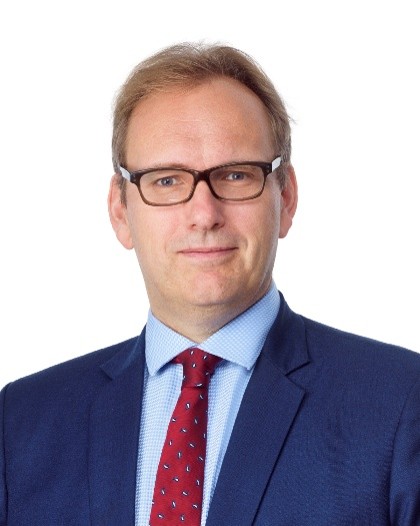
Edmund Misson
Edmund Misson joined the OECD in April 2025. As Head of Division, Innovation and Measuring Progress he leads a range of projects on innovation, data collection and analysis, research, and futures thinking in education. This includes the work of the Centre for Educational Research and Innovation (CERI).
Prior to joining the OECD, Edmund was Deputy Chief Executive and Acting Chief Executive of the Australian Institute for Teaching and School Leadership (AITSL). In this role he successfully led AITSL’s work with school systems across Australia to deliver solutions that promote quality teaching and school leadership. He led national reforms to initial teacher education for graduate teachers, certification of high-performing teachers, and the first national data collection on the Australian teaching workforce.
Edmund previously held leadership roles in the state of Victoria, Australia, providing policy advice across all education sectors and other areas of social policy. Edmund has a Master’s degree in Public Administration.

Rachel White
Dr. Rachel White is an Associate Professor of Educational Leadership & Policy at the University of Texas at Austin and the founder and director of The Superintendent Lab. Her research employs mixed methods, including the use of national longitudinal datasets, survey methods, and qualitative interviews to examine issues of power and voice in education policy spaces. Much of her current work focused on inequities in superintendent labor markets and how superintendents navigate politically contentious environments, including state accountability systems that have fueled state takeovers of school districts and the privatization of publicly funded education programs. In both her teaching and research, Dr. White draws on her experience as a former locally elected school board member and vice president, a high school cross country and track coach, and a policy analyst with the Michigan Association of School Administrators.
ROUNDTABLE
Using data to understand education-to-work transitions and skills alignment
6 November 2.00 p.m. to 4.00 pm
The growing availability of administrative and survey data has transformed the capacity of researchers and policymakers to analyse the relationship between education systems and labour markets. This roundtable aims to discuss how data can be leveraged to better understand three interconnected challenges: the transition from education to employment, the labour market relevance of educational pathways, and the capacity of education systems to provide skills that respond to evolving economic and social needs.
While placing special emphasis on the Italian context, the roundtable will adopt a European perspective. Particular attention will be devoted to the opportunities and limitations of administrative data, as well as the role of international indicators and cross-country comparisons in informing policy and enhancing cooperation across Europe in the field of education and skills. The discussion will also seek to identify priorities for future research and ways to enhance the use of data in shaping education and skills policies.
Chair:
Marco Montanari (Economic and Policy Analyst, European Commission, DG Education, Youth, Sports and Culture)
Speakers:
Federico Biagi (Scientific Officer, European Commission Joint Research Centre)
Daniele Checchi (Professor Emeritus, University of Milan)
Roberto Ricci (President INVALSI)
Paolo Sestito (Head of the Planning, Organisation and Budget Department Bank of Italy Bank of Italy)
CALL FOR PANEL (officially closed)
Click to read
INVALSI, in collaboration with Politecnico di Milano, invites the national and international scientific community to submit Panel proposals for the Conference “Evaluation and Research in Education”, to be held from 4 to 6 November 2026.
Analysing educational systems is currently a key issue in scientific, political and institutional debates, particularly in light of the significant changes affecting the social, cultural and economic context of the country. Against this backdrop, there is an urgent need to encourage an extensive and systematic dialogue between different theoretical approaches, research methodologies and empirical sources, with the aim of achieving a nuanced, complex and multifaceted understanding of the Italian educational system and its potential future trajectories.
The body of information generated through INVALSI National Assessments and International Surveys is a valuable resource for identifying the strengths and critical issues of the education system. It provides a basis for reflecting on strategies for improvement, enhancement and support. These data become even more valuable when integrated with additional sources. The availability of longitudinal datasets, indicators and metadata enables investigation of educational processes at micro, meso and macro levels, and exploration of how such processes acquire specific characteristics when examined alongside social, territorial and economic factors.
In light of these considerations, the Conference aims to provide a space for discussion and exchange within the field of contemporary educational research. It seeks to foster dialogue among different theoretical approaches, disciplinary perspectives and methodologies.
In line with the Conference theme, preference will be given to proposals based on evidence-based educational research, emphasising the use of empirical evidence to enhance our understanding of, and improve, educational systems.
Panel proposals should meet the following criteria:
- Multidisciplinary approach: Panels should include contributions from different disciplines (e.g., pedagogy, sociology of education, economics of education, psychology, statistics, data science, etc.), to promote the integration of multiple perspectives.
- Methodological plurality: Contributions should employ a variety of methodologies, including quantitative, qualitative, and mixed methods approaches, paying particular attention to the triangulating evidence.
- Centrality of evidence-based research: Panels should address issues related to the use of empirical data in education, including analyses based on different types of data (e.g.; educational big data, experimental data, sample surveys and case studies, etc.).
- Comparative dimension: Proposal for panels conducting comparative analyses – both national and international – are especially encouraged, as they contribute to a deeper understanding of educational dynamics in different contexts.
Topics for which Panel proposals are invited include, but are not limited to:
- Digital competences, learning, and citizenship
- Macro- and micro-territorial inequalities
- Gender, stereotypes, and achievement gaps
- Artificial intelligence as a support for educational research
- Migration, citizenship, and educational pathways: new challenges for equity
- Social mobility, family background, and educational trajectories
- Educational poverty: indicators, intersections, and policy responses
- Integrated use of data
- A multidimensional perspective on equity in educational opportunities.
Guidelines
- Panel proposals must include the following information:
- Identification of one or two proponents of the panel, who will act as Scientific Coordinator(s) and will be responsible for selecting the submitted contributions in order to ensure the quality of the session;
- Title of the session;
- Three keywords;
- A description of between 250 and 500 words.
- All panel proposals must be submitted by email to invalsi_conference@invalsi.it by 1 June 2026.
- Proposals will undergo a blind review process based on scientific quality, relevance to the Conference themes, degree of innovation, and the ability to integrate different disciplinary and methodological approaches.
- Once acceptance has been confirmed, the Scientific Coordinator(s) will be expected to promote the Panel proposal within their professional networks.
Each session must include a minimum of four presentations. Where possible, presentations may be distributed across multiple sessions if a larger number of contributions are received. Conversely, if fewer contributions are received, the Organising Committee reserves the right to reallocate the papers to other sessions.
Download the poster click here.
IN COLLABORATION WITH:

https://www.polo-lecco.polimi.it/
The Politecnico di Milano is a public technical university focused on educating engineers, architects, and designers, combining high-quality teaching with innovative research. It maintains strong links with industry through research, technological transfer, and collaboration, fostering continuous innovation. With a growing international dimension, it aims to contribute to sustainable development and actively participates in global academic and research networks.
THE EVENT TAKES PLACE UNDER THE PATRONAGE OF:

https://www.espanet-italia.net/
ESPAnet Italia is a network of social policy researchers that promotes the interdisciplinary debate on social policies considering different theoretical and methodological traditions in order to achieve a reciprocal and fruitful contamination.

https://www.istat.it/
The National Institute of Statistics – a public research organisation – is the main producer of official statistics. Founded in 1926, the Institute has constantly followed, measured, and analysed the collective phenomena and the milestones that transformed Italy.
UNDER THE SUPPORT OF:

https://www.beforeducation.org/
Foundation specialized on education. Through the prevention of the early-school leaving, the promotion of pedagogical practices and innovative didactic methods, the promotion of education for sustainable development, the foundation contributes to ensuring accessible and quality education.
SESSIONS
Session 1
Evaluating the Impact of Education Policies: Counterfactual Approaches and Evidence for Basic Skills Improvement
Scientific coordinators of the session: Daniele Vidoni (European Commission, Directorate General for Education, Youth, Culture and Sports), Marco Montanari (European Commission, Directorate General for Education, Youth, Culture and Sports)
Understanding the impact of education policies requires rigorous evaluation methods capable of isolating causal effects. This session invites contributions that apply counterfactual approaches – whether experimental (e.g., randomized controlled trials) or quasi-experimental (e.g., regression discontinuity designs, difference-in-differences, propensity score matching) – to assess the effectiveness of specific education policy initiatives.
We particularly welcome empirical studies that make use of INVALSI data or administrative data sources in Italy, as …well as similar data infrastructures from other countries.
Examples of relevant topics include:
• the impact of targeted interventions to improve reading, mathematics, or digital skills, particularly among underachieving students;
• evaluation of teacher professional development programs aimed at enhancing instructional practices in basic skills areas;
• effects of digital learning policies designed to support foundational competencies and reduce digital divides;
• the effectiveness of inclusive education strategies or remedial measures for students at risk of early school leaving;
• policies addressing territorial and socio-economic disparities in student achievement in literacy, numeracy, and ICT.
The aim of the session is to showcase how counterfactual methods can inform evidence-based policymaking by providing credible estimates of what would have happened in the absence of an intervention. Contributions may include completed studies, ongoing projects with preliminary results, or methodological innovations that improve causal inference in education research. Submissions are encouraged from both academic researchers and institutional actors involved in policy design or evaluation. Projects combining administrative microdata with student assessment results, using INVALSI or comparable sources, will be particularly valued. Cross-national comparisons are also welcome, especially when they illustrate how methodological approaches travel across different policy and data contexts.
Keywords: Counterfactual methods, Basic skills, Integrated education datasets
Read more
Session 2
What Makes a School Work? Teachers and School Principals as Key Actors in the Educational System
Scientific coordinators of the session: Gianluca Argentin (University of Milan Bicocca), Ivan Blancato (University of Milan Bicocca)
For a long time, quantitative research on schools and educational inequalities overlooked the crucial role played by the central actors within every school: teachers and school principals. This was probably due to the combination of two factors: on the one hand, the lack of data on these key actors within the educational system; on the other hand, even when such data were available, it was difficult to link them, directly or indirectly, to students’ characteristics and performance.
In recent years, thanks to INVALSI data and the emergence of other data sources that connect principals, teachers, …and students, a new body of literature has begun to develop. This research investigates the interplay among the various actors who make schools function and the overall outcomes of the education system, both in terms of effectiveness and equity.
At the same time, the increasing size of schools has led to the emergence of new roles and functions within schools, commonly referred to as “middle management”. Despite their central role in school organizations, these positions remain relatively underexplored. Furthermore, as a consequence of processes of school autonomy, schools themselves have developed increasing heterogeneity across multiple dimensions.
This session aims to gather contributions addressing these issues, shedding light on the everyday mechanisms that enable schools to function—sometimes effectively and sometimes less so—and on how these mechanisms contribute to student learning and to either the mitigation or the reproduction of educational inequalities.
Keywords: teachers, school principals, middle management
Read more
Session 3
International large-scale assessments (ILSAs) methods and results
Scientific coordinators of the session: Maria Magdalena Isac (University of Bath, KU Leuven), Andres Sandoval Hernandez (University of Bath)
INVALSI collects Italian data for International Large-Scale Assessments (ILSAs) such as the International Civic and Citizenship Education Study (ICCS), the Trends in International Mathematics and Science Study (TIMSS), the Progress in International Reading Literacy Study (PIRLS), and the Programme for International Student Assessment (PISA). These assessments are crucial tools for informing educational research and shaping international policy landscapes. As representative studies of student populations at the level of educational systems, ILSAs generate information that enables comparisons of cognitive and non-cognitive learning outcomes, as well as educational practices, across various educational systems. In this session, we invite empirical and conceptual research contributions that offer rigorous analysis, critique, and development of ILSA methods and results, alongside a reflection on their implications for education policy. A focus on non-cognitive outcomes of learning and underexplored educational goals, such as citizenship competencies and competencies in education for sustainable development, is particularly desirable. We also strongly encourage reflections on Italian data and results in comparison to other educational systems.
Keywords: International large-scale assessments, Methods, Comparative research
Session 4
Measuring and developing social-emotional competencies in schools: Methods, evidence,
and policy implications
Scientific coordinators of the session: Gabriele Iannotta (Politecnico di Milano), Sergio Longobardi (University of Naples “Parthenope”)
Social-emotional competencies – including self-awareness, emotion regulation, empathy, relationship skills, and responsible decision-making – are now widely recognized as an essential component of the school experience. International evidence consistently shows that structured interventions in this area produce measurable benefits on both academic outcomes and the quality of school relationships, contributing to reduced dropout rates and improved classroom climate (Durlak et al., 2011). In Italy, the recent Law 22/2025 has formally acknowledged the educational value of these competencies and promotes their explicit integration in schools, opening a phase of particular political and institutional attention to the topic.
Despite this growing interest, empirical research faces two open methodological challenges,
particularly …relevant in the Italian context where evidence is less structured than in other educational
systems. First, the measurement of social-emotional competencies relies predominantly on selfreport
instruments, whose psychometric properties and predictive validity with respect to actual
behavior have been the subject of an ongoing debate (Duckworth & Yeager, 2015). Studies based on
experimental economic games, systematic observations, and behavioral indicators extracted from
digital environments suggest that integrating multiple measures may provide a more robust picture,
less aSected by social desirability bias. Second, evidence on the eSectiveness of interventions
remains limited: relatively few studies adopt rigorous evaluation designs capable of estimating
causal eSects and of analyzing heterogeneity by gender, socio-economic background, and
geographic area. These issues are particularly relevant in light of the increasing availability of
longitudinal and achievement data, as well as recent national initiatives – including the ENRICH
project conducted by INVALSI and the University of Naples “Parthenope” – which open new
opportunities for investigating the interactions between the cognitive and socio-emotional
dimensions of learning (Jackson et al., 2020).
In light of these considerations, this session aims to bring into dialogue contributions adopting
diSerent approaches and methodologies – psychometric, behavioral, experimental, and observational – applied to the development and evaluation of social-emotional competencies in schools. Particular attention will be given to contributions that integrate diSerent measures, adopt evidence-based research designs (especially RCTs), explore the relationships between socialemotional outcomes and standardized measures of academic achievement, and propose comparisons across national and international contexts. The goal is to provide a framework of discussion that contributes to consolidating the methodological foundations of research in this area and informs policy choices at a stage in which several school systems – and the Italian one in particular, in light of the recent normative recognition – are called to translate the attention to socialemotional competencies into concrete teaching and organizational practices.
Keywords: social-emotional learning, impact evaluation, evidence-based education
Read more
Session 5
Educational Poverty: Conceptual and Methodological Approaches Through the Integration of Official Statistical Sources
Scientific coordinators of the session: Barbara Baldazzi (ISTAT), Rina Camporese (ISTAT)
In recent years, the concept of educational poverty has gained significant attention in Italy at the academic, political, and media levels. To address the need for a shared definition and a statistical measurement system, Istat (Italian National Institute of Statistics) established an inter-institutional scientific Commission in March 2023. Composed of over 50 experts in the field representing the academic world, institutions, and organizations, the Commission analyzed the relevant literature, identified existing information sources within the National Statistical System, proposed a definition of educational poverty and a framework for measuring the phenomenon, selected a broad set of multi-source indicators, and calculated their values at the sub-regional level (crossing administrative regions with the degree of urbanization of the municipality) using small area estimation methods for sample sources. Finally, to synthesize the information and outline priority areas for intervention, several composite indices were constructed and the national territory was mapped, thus laying the foundation for the regular and updated measurement of the phenomenon.
The work carried out by the Commission constitutes a fundamental benchmark. This session aims to critically explore …the different conceptual variations of educational poverty and analyze the most effective methodologies for its measurement, with a specific focus on the integrated use of multiple official statistical data sources. Through the presentation and discussion of empirical research and innovative theoretical approaches, the session intends to:
• illustrate the work of the Commission and the advancements in the adopted measurement framework;
• demonstrate the utility and challenges arising from the integration of different official statistical data sources (e.g., ISTAT, INVALSI, administrative data) for a more comprehensive understanding of the phenomenon;
• critically examine current measurement methodologies, highlighting their limitations and potential;
• discuss implications for future research and for the formulation of targeted educational policies to effectively combat educational poverty.
The session is aimed at researchers and professionals in the education and training system, as well as anyone interested in delving deeper into the complexities of educational poverty and the potential offered by the integrated analysis of official statistical data to address it.
Keywords: Educational poverty, Data sources, Methodology
Read more
Session 6
Data Literacy and Data Use in Schools: Emerging Practices, Challenges, and Professional Cultures
Scientific coordinators of the session: Davide Azzolini (Fondazione Bruno Kessler), Veronica Mobilio (Fondazione per la Scuola)
In recent years, the information available to schools has significantly expanded in volume, variety, and format. Schools increasingly have access to a wide range of data sources, including standardised assessment data, digital platform analytics, administrative and behavioral records, and the growing presence of AI-generated data.
The increasing availability of educational data is transforming not only school governance and instructional practices, but also professional cultures, forms of expertise, and organisational processes within schools. The expansion of data infrastructures in education also raises important questions concerning data literacy, professional autonomy, and the balance between evidence-informed approaches and pedagogical judgement.
At the school level, data can support school improvement planning, resource allocation, internal monitoring, staff … coordination, and the design of targeted interventions. At the classroom level, in turn, data can support the full cycle of instructional practice–from teaching design and differentiation/personalisation to formative and summative assessment, feedback, and student monitoring. Furthermore, the growing digitalisation of education, including AI integration, digital platforms, and apps, is significantly influencing interactions with families and external stakeholders.
Despite promising examples of innovative and effective data use, we still lack a systematic understanding of how data are actually used in schools:
• Which school actors use which types of data, and for what specific purposes?
• What beliefs, attitudes, and levels of data literacy shape these practices?
• How do data practices vary across school levels, school types, and teacher characteristics?
• What school-level or system-level strategies support meaningful and context-sensitive uses of data?
• What role do emerging AI-based tools play in reshaping data cultures and professional practices?
The panel invites empirical contributions, conceptual reflections, and policy-oriented analyses on the critical and informed use of data in Italian schools, as well as comparative perspectives from other educational contexts. We particularly welcome contributions addressing issues of equity,
uneven access to data, professional development, and the relationship between educators’ expertise and data-driven systems.
Keywords: data use, data literacy, school practice
Read more
Session 7
The Hidden Teacher Effect: Hard-to-Measure Teacher Characteristics and Student Outcomes
Scientific coordinators of the session: Lorenzo Rocco (University of Padua), Moris Triventi (University of Milan)
Teachers affect student outcomes not only through observable dimensions, such as formal qualifications, experience, and effort, but also through less observable characteristics: what they believe about students, how they assess performance, and how they guide educational choices. These dimensions may influence students’ cognitive and non-cognitive skills, school track choices, and educational and labour-market prospects.
This panel focuses on the role of harder-to-measure teacher characteristics, including beliefs, expectations, and …preferences, in shaping student outcomes. Recent evidence suggests that teachers may hold stereotyped views toward specific groups of students, with consequences for academic achievement and school track recommendations (Carlana, 2019; Carlana, La Ferrara and Pinotti, 2022); grade students differently across groups, even conditional on standardized scores (Triventi, 2020); hold expectations that vary with both student socioeconomic background and teacher personality (Brunello et al., 2025); and adopt grading practices whose strictness influences students’ competences and probability of enrolling in specific tracks (Lievore, Fedeli and Triventi, 2024).
Session 8 Evaluating University Pathways in Italy: Integrated Data, Educational Choices, Student Support and Labour Market Transitions Scientific coordinators of the session: Carmen Aina (University of Piemonte Orientale), Giuseppe Pignataro (University of Bologna) This panel aims to foster an evidence-based discussion on the main challenges currently facing the Italian university system, with particular attention to transitions from upper secondary education to university and from university to the labour market. It seeks to promote the integrated use of multiple empirical sources, including longitudinal administrative student records from the Italian National Student Registry (Anagrafe Nazionale Studenti, ANS), INVALSI data, information on secondary school background and, where available, data on graduate labour-market outcomes. This perspective makes it possible to analyse the factors shaping access to higher education, educational choices, academic progression, degree completion, geographical mobility and subsequent transitions to employment. The panel welcomes empirical contributions aimed at identifying strengths and critical
issues in university …pathways and at providing evidence to support improvement
actions. Papers may address inequalities in educational trajectories, the role of family and territorial background, gender differences, skills acquired before university entry, student economic conditions and the mechanisms that facilitate or hinder academic success. Within this broader framework, possible contributions may examine, for instance, the effects of student support policies and need-based scholarships on credit
accumulation, regular academic progression, degree completion, continuation to master programmes and student geographical mobility. Other contributions may investigate university field choice, including STEM and non-STEM pathways, and the role of INVALSI performance, secondary school track and socio-economic context in shaping preferences, enrolment and persistence in higher education. Session 9 Digital Competence and Generative AI in Education: New Challenges for Teaching and Assessment Scientific coordinators of the session: Paolo Barabanti (INVALSI), Marco Giganti (University of Bergamo) Digital technologies are increasingly reshaping educational systems, as instructional tools but especially as structural dimensions influencing teaching, learning, assessment practices, and educational participation. In recent years, this integration has evolved from being a peripheral concern to becoming a profound transformation of education itself. Therefore, digital competence cannot simply be interpreted as a set of technical abilities; it also encompasses critical, cognitive, ethical, communicative, and reflective dimensions. This includes the ability to interpret, create and evaluate digital content, which is essential for active citizenship and lifelong learning. Meanwhile, the rapid diffusion of AI tools, particularly Generative AI (GenAI) in the form of large language models …and AI-powered assessment systems, is progressively redefining teaching, learning, and evaluation in formal educational contexts. While these technologies offer new opportunities for personalised learning, automated feedback, adaptive assessment, and data-driven decision-making, they also present significant educational, ethical, and professional challenges. Session 10 Understanding One-Year Achievement Growth in Mathematics: Evidence from TIMSS Longitudinal and Its Relevance for Italy Scientific coordinators of the session: Nurullah Eryilmaz (IEA Hamburg), Rolf Strietholt (IEA Hamburg) TIMSS Longitudinal offers a unique opportunity to study mathematics achievement growth over one year of schooling by reassessing the same students who participated in TIMSS 2023 one year later in 2024. As the first student-level longitudinal extension of TIMSS, the study enables researchers to move beyond cross-sectional comparisons of achievement levels and examine learning gains, inequalities in progress, and the conditions under which students develop mathematical competencies over time. This panel invites empirical and methodological papers using TIMSS Longitudinal data, with particular attention to …Italy’s participation in the Grade 4-5 longitudinal design alongside eight other education systems, and to comparative insights from the Grade 8-9 design, in which three education systems participated. The panel will contribute to the conference theme by demonstrating how international large-scale assessment data can be used as evidence for understanding educational trajectories, equity, and system-level differences in learning opportunities.
Session 11 From Latent Potential to Outstanding Achievement: Giftedness, Top Performers and Excellence in Contemporary Educational Systems Scientific coordinators of the session: Brunella Fiore (University of Milano-Bicocca), Paolo Barabanti (INVALSI) In many countries, educational research and public policies have traditionally interpreted educational equity primarily through the lens of inclusion, disadvantage, low achievement, and the prevention of school failure. While these priorities remain fundamental, they have also contributed to a delayed and still partial recognition of another important educational issue: the identification, support, and development of students with high potential, exceptional performance, or giftedness. Against this backdrop, contemporary educational systems are increasingly confronted with the challenge of recognising… and supporting high-differential students without reproducing selective mechanisms or new forms of inequality. In many countries and educational traditions, the promotion of excellence still generates cultural, academic, and institutional resistance, often because it is perceived as potentially conflicting with inclusion and social justice. As a result, the educational needs of gifted students, high-potential learners, top performers, and high achievers frequently remain underexplored, insufficiently recognised, or addressed through fragmented educational initiatives and policies.
Session 12 Successful school-to-University transitions: determinants and measures to contrast University drop-out Scientific coordinators of the session: Giovanni Abbiati (University of Brescia), Federica Origo (University of Bergamo) The transition from secondary education to university represents a crucial step in students’ life, which may be marked by high rates of early drop-out or academic difficulties. University drop-out not only constitutes a significant waste of human capital and institutional resources, but also reproduces and exacerbates socio-economic inequalities. This panel session explores the complex dynamics of school-to-university transitions, focusing on the predictive factors of the drop-out risk and the implementation of empirical, evidence-based measures to contrast the phenomenon. The panel aims to bring together contributions that exploit rich, longitudinal administrative and/or survey data of… university student careers to analyze and predict the risk of leaving higher education. Specifically, the session invites papers addressing key questions such as: To what extent does family background continue to drive the school-to-university transition? How predictive are initial entry tests compared to early academic performance, such as credits earned or grades obtained during the first semester? The panel invites also contributions addressing the temporal dimension of student support: when is the optimal window to intervene to effectively reduce drop-out risk? Furthermore, it explores the potential “scarring effects” of an initially difficult or disrupted start, examining whether early obstacles leave long-term negative marks on subsequent academic and professional trajectories.
Session 13 Professional competences, reflexivity and the organisational role of support teachers: quantitative, comparative and qualitative evidence for understanding inclusive education Scientific coordinators of the session: Sara Mori (INDIRE), Elsa Maria Bruni (IUL) The competences that define teaching professionalism, such as the integration of pedagogical, didactic, psychological, organisational and relational knowledge, do not constitute a specialist role, but are a shared responsibility of those who perform educational functions in schools. The Ministerial Decree of 30 September 2011 outlines the profile of the support teacher and defines a specific mandate that encompasses the same range of competences recognised as fundamental to the entire teaching profession by the literature and legislation. Understanding the support teacher within this continuity means, first and foremost, recognising their full membership of the professional teaching community before emphasising their specialisation. Specialisation in support activities is therefore not limited to acquiring operational techniques centred on …pupils with disabilities, but requires skills capable of influencing the classroom context, collegial processes, and the overall quality of inclusive education.
Session 14 Shared responsibility, governance and integrated planning to promote equity and inclusion in schools Scientific coordinators of the session: Francesca Storai (INDIRE), Serena Greco (INDIRE) The socio-cultural and territorial transformations that characterise contemporary educational contexts call for in-depth reflection on the factors that influence the quality and effectiveness of educational processes. Shared responsibility for education, inter-institutional collaboration and integrated planning are key elements in understanding the contribution made by schools, families and local services to the creation of inclusive and equitable educational opportunities. The panel aims to explore the relationship between these dimensions as fundamental levers for improving educational processes and reducing inequalities with a view to equity. Attention will be focused on organisational models and collaborative practices that foster the creation of …school environments capable of integrating professional expertise, local resources and shared decision-making processes, as well as on the related outcomes in terms of learning, student participation, well-being at school and family involvement.
Session 15 Educational Poverty and Equity in Educational Opportunities: Measurement, Contexts, and Policy Responses Scientific coordinators of the session: Giorgia Casalone (University of Piemonte Orientale), Alessandra Michelangeli (University of Milan Bicocca) Educational inequalities remain one of the most pressing challenges for contemporary education systems. Growing social, economic, and territorial disparities require analytical frameworks capable of capturing the multidimensional nature of educational opportunities and outcomes. Educational poverty can be interpreted as a manifestation of unequal opportunities in education. From this perspective, it should be understood not only through differences in academic achievement, but also as a broader condition shaped by circumstances that are largely beyond students’ control, including family background, gender, migration status, territorial contexts, school environments, access to educational resources. From this perspective, educational inequalities raise concerns not only because they affect outcomes, but also because they reflect unequal opportunities to develop capabilities and succeed in education. This panel aims to promote an interdisciplinary discussion on the measurement, determinants, and consequences of… educational poverty and inequality in learning opportunities, with particular attention to the Italian education system in comparative perspective. Contributions employing quantitative, qualitative, and mixed methods approaches are encouraged, as well as studies based on large scale assessments, administrative archives, longitudinal datasets, and contextual indicators.
Session 16 Educational Inequalities, Learning Outcomes and Opportunities in Changing Contexts Scientific coordinators of the session: Jurgena Myftiu (University of Bergamo), Giuliana Parente (University of Milan “La Statale”) Educational inequalities continue to represent a central challenge for contemporary education systems, affecting both learning outcomes and access to educational opportunities. These disparities are shaped by a complex interplay of socioeconomic background, migration status, territorial contexts, and institutional factors, and are increasingly influenced by technological change and evolving information environments. This panel brings together longitudinal and multidimensional perspectives to explore how educational inequalities emerge,… accumulate, and evolve over time, influencing students’ trajectories, competencies, and learning outcomes. In particular, it aims to integrate the study of inequality of opportunity and educational poverty with the analysis of learning processes and critical thinking skills in changing informational contexts.
It is also possible to submit individual contributions in the form of academic papers for a “General Track”, in the case in which your paper is not fitting a specific panel. Interested parties are invited to submit an extended abstract of 3–5 pages in length. This should be accompanied by four keywords and a brief biography of each author (maximum 50–60 words per biography). The extended abstract should provide a comprehensive summary of the work, enabling the reader to quickly grasp its content and objectives. To this end, it must be: Extended abstracts must be structured into the following sections: Each contribution may have a maximum of four authors. Extended abstracts must be submitted by a single author via the online procedure in the ‘RESERVED AREA’ section of the website. Extended abstracts sent by email or via any other means will not be accepted. The deadline for submission is Login to the reserved area to register for the event and submit your extended abstract. In case you have attended other editions proceed to registration anyway: you will be given new credentials to access the reserved area. June 9, 2026 Opening extended abstract submission. Deadline for extended abstract submission. From Notification of abstract evaluation. 5 October to 11 October 2026 Participants registration 12 October to 25 October 2026 Slide submission UNIVERSITY OF BRESCIA ISTAT ISTAT UNIVERSITY OF BERGAMO UNIVERSITY OF NAPLES PARTHENOPE INDIRE UNIVERSITY OF BOLOGNA IEA POLITECNICO DI MILANO UNIVERSITY OF EASTERN PIEDMONT INVALSI UNIVERSITY OF EASTERN PIEDMONT INDIRE UNIVERSITY OF MILANO-BICOCCA UNIVERSITY OF BERGAMO UNIVERSITY OF PADOVA UNIVERSITY OF MILAN LA STATALE INVALSI UNIVERSITY OF MILANO-BICOCCA UNIVERSITY OF MILANO-BICOCCA IEA POLITECNICO DI MILANO FONDAZIONE PER LA SCUOLA UNIVERSITY OF BERGAMO UNIVERSITY OF BATH EUROPEAN COMMISSION, DIRECTORATE GENERAL FOR EDUCATION, YOUTH, CULTURE AND SPORTS FBK-IRVAPP UNIVERSITY TELEMATICA DEGLI STUDI IUL UNIVERSITY OF MILANO-BICOCCA UNIVERSITY OF KU LEUVEN EUROPEAN COMMISSION, DIRECTORATE GENERAL FOR EDUCATION, YOUTH, CULTURE AND SPORTS UNIVERSITY OF MILAN LA STATALE INDIRE RESPONSIBLE FOR THE EVENT TECHNOLOGIST DIRECTOR – INVALSI RESEARCHER – INVALSI TECHNICAL RESEARCH ASSISTANT – INVALSI TECHNICAL RESEARCH ASSISTANT – INVALSI TECHNICAL RESEARCH ASSISTANT – INVALSI RESEARCHER – INVALSI TECHNICAL RESEARCH ASSISTANT – INVALSI RESEARCHER – INVALSI TECHNICAL RESEARCH ASSISTANT – INVALSI SENIOR TECHNOLOGIST – INVALSI TECHNOLOGIST – INVALSI TECHNICAL RESEARCH ASSISTANT – INVALSI TECHNICAL RESEARCH ASSISTANT – INVALSI TECHNICAL RESEARCH ASSISTANT – INVALSI TECHNICAL RESEARCH ASSISTANT – INVALSI Start: End: Venue: Politecnico di Milano – Polo Territoriale di Lecco Email: Website: Website:
This panel aims to include contributions from different fields, methodological approaches, and data sources. Less observable teacher characteristics have been studied across several disciplines, including Economics, Educational Science, Psychology, and Sociology (Batruch et al., 2023; Geven et al., 2021; Giustinelli, 2023; Papageorge, Gershenson and Kang, 2020; Urhahne and Wijnia, 2021; Wang, Rubie-Davies and Meissel, 2018). They have been analysed using different methods, such as quasi-experimental designs, randomized controlled trials, factorial surveys, subjective-expectations elicitation, qualitative research, and mixed-methods designs. The evidence relies on a plurality of data sources, including administrative records, survey data, experimental data, interview data, and standardized assessments.
We welcome both national and international evidence. The topic has been studied in several institutional contexts besides Italy, including Germany, the Netherlands, and the United Kingdom (Burgess and Greaves, 2013; Falk, Kosse and Pinger, 2026; Timmermans et al., 2018; van Leest et al., 2021). This comparative perspective is particularly useful for understanding which mechanisms are context-specific and which are common across educational systems.
Finally, building on empirical evidence, this panel sheds light on teacher dimensions that are generally absent from administrative data but may be as important as observable characteristics in shaping student trajectories and discusses their implications for policy.
Keywords: Teacher characteristics, student outcomes, educational inequality.
Read more
The panel encourages contributions from economics of education, sociology of education, statistics, data science, policy evaluation and, more broadly, empirical approaches to the study of educational pathways. Papers based on microdata, longitudinal designs, counterfactual methods, advanced descriptive analyses, comparative perspectives and the integration of multiple data sources are particularly welcome. By bringing together different disciplinary and methodological perspectives, the panel aims to contribute to a deeper understanding of university pathways in Italy and to support the design of more effective, inclusive and evidence-informed education policies.
Keywords: University pathways, integrated longitudinal data, educational equity
Read more
Against this backdrop, schools face a dual challenge: promoting robust, critically informed digital competence among students so they can engage actively and purposefully with AI tools while preserving their epistemic agency, and supporting teachers in developing innovative, AI-literate instructional and assessment practices.
This panel aims to promote an evidence-based discussion of the challenges and opportunities associated with digital competence and AI in schools, paying particular attention to the assessment of both learning and digital skills. The panel also seeks to promote dialogue between different research traditions, disciplinary perspectives and methodological approaches while strengthening the role of empirical evidence and data-informed research in understanding how digital transformation and artificial intelligence are reshaping educational systems, teaching professions and assessment practices.
Particular attention will therefore be given to integrate different disciplinary perspectives and to include studies that adopt diverse methodological approaches. Quantitative, qualitative, and mixed-methods designs are all welcome, particularly those combining multiple empirical sources, including findings from large-scale assessments, or adopting comparative perspectives at a national or international level. Such contributions can provide a more nuanced understanding of how digital and AI-related educational transformations take shape in different educational systems and social contexts.
The session welcomes empirical and data-driven contributions based on evidence-based educational research focusing on the role of digital technologies and generative AI in contemporary education. In particular, proposals may:
• present findings from national and international large-scale assessments, surveys, learning analytics or other empirical datasets concerning digital competence and AI-related practices, as well as their relationships with individual, social, territorial and school-level variables;
• investigate inequalities and digital divides related to access, use, critical understanding and educational integration of AI technologies among students, teachers and schools;
• analyse teachers’ professional competencies, beliefs and readiness to integrate generative AI tools into teaching, assessment, feedback and personalised learning processes;
• explore the use of AI-based systems for assessment, automated feedback, adaptive learning environments and monitoring educational processes, critically discussing their educational, ethical and methodological implications.
Keywords: Digital competences, Learning assessment, Generative Artificial Intelligence
Read more
The panel is explicitly comparative and evidence-based. Contributions may investigate, for example, the magnitude and distribution of one-year mathematics growth; the role of students’ socioeconomic, migration, and gender backgrounds; classroom and school contexts associated with growth; curriculum exposure and instructional opportunity; or methodological challenges in modelling change with plausible values, complex samples, and linked longitudinal data. TIMSS Longitudinal includes achievement data as well as student, home, teacher, school, and national context information collected in 2023 and 2024, making it particularly suitable for integrated analyses across micro, meso, and macro levels.
The session will promote methodological plurality by welcoming quantitative analyses of achievement growth, comparative policy-oriented studies, methodological contributions on longitudinal modelling, and papers that triangulate TIMSS Longitudinal findings with curriculum information, national data, or other contextual sources that may explain heterogeneity in educational pathways and effectiveness across countries.
By bringing together researchers from educational measurement, sociology of education, economics of education, psychology, statistics, and comparative education, the panel will offer a multidisciplinary discussion of how longitudinal international assessment data can inform research and policy debates on mathematics learning, equity, and educational improvement in Italy and beyond.
Keywords: Longitudinal assessment, mathematics achievement growth, comparative education
Read more
At the same time, the field itself is characterised by strong conceptual and terminological plurality. Terms such as giftedness, talent, top performers, high achievers, and excellence are often used with different theoretical assumptions, methodological implications, and educational consequences. International research increasingly highlights how talent development and outstanding achievement are deeply shaped by educational opportunities, teacher expectations, socio-economic background, territorial inequalities, gender stereotypes, migration trajectories, and access to cultural and social capital. In this perspective, excellence cannot simply be interpreted as an individual characteristic detached from context, but rather as a multidimensional educational phenomenon emerging from the interaction between personal potential and contextual opportunities.
This panel aims to promote an evidence-based discussion on giftedness, talent, high potential, top performers, high achievers, and excellence within contemporary educational systems. The panel also seeks to foster dialogue among different theoretical approaches, disciplinary perspectives, and methodological traditions, while strengthening the role of empirical evidence and data-driven research in understanding how educational systems identify, support, evaluate, and promote students with differentiated learning trajectories and high educational potential across diverse national and international contexts.
Quantitative, qualitative, and mixed-methods studies are all welcome. Across the panel as a whole, particular attention will be devoted to fostering dialogue among contributions adopting different empirical sources and methodological approaches, including large-scale assessments, longitudinal datasets, case studies, and comparative national and international analyses.
The session encourages empirical and data-driven contributions focusing on giftedness, talent, high potential, top performers, high achievers, and excellence in education. In particular, though not exclusively, proposals may:
• investigate the conceptualisation, identification, and measurement of giftedness, talent, excellence, and high performance in different educational contexts;
• analyse the relationships between high achievement and socio-economic, territorial, migratory, and gender inequalities;
• explore educational trajectories, aspirations, underachievement, and school experiences of gifted and high-potential students;
• examine teachers’ beliefs, institutional cultures, and educational policies concerning excellence, merit, and differentiated instruction;
• present evidence on enrichment programmes, acceleration, personalised learning pathways, and educational strategies for high-differential students;
• use large-scale assessments, longitudinal studies, integrated databases, or comparative analyses to investigate top performers and talent development across educational systems.
Keywords: Educational equity, Achievement, High-differential students
Read more
Moving beyond purely diagnostic analysis, a distinct feature of this session is its focus on actionable policy and collaborative interventions. We welcome studies that highlight partnerships between academic institutions and territorial actors—such as local social cooperatives and community organizations—to design, deploy, and evaluate targeted support actions for at-risk students. By combining data-driven early warning systems with local, multi-layered interventions, this approach aims to build effective safety nets for vulnerable students.
This panel adopts a strong multidisciplinary perspective, encouraging a fruitful dialogue among sociology of education, economics of education, statistics, data science, pedagogy and psychology. We invite contributions that employ a plurality of methodologies—ranging from advanced quantitative predictive modeling to mixed-methods and qualitative case studies of territorial interventions. Ultimately, the panel intends to foster a comprehensive understanding of equity in higher education and provide useful insights for policy-makers, university governance and third-sector practitioners.
Keywords: School-to-University transitions, University Drop-out, Early Warning Interventions
Read more
Within this framework, the panel aims to explore support teachers’ competences, paying particular attention to their perception of their own role and their reflective capacity as a key dimension of professionalism. Here, reflectivity is understood as a practice through which teachers interpret educational situations, attribute meaning to their own actions, recognise the constraints and resources of the school organisation, and guide improvement processes. From this perspective, transversal competences are not merely an ancillary repertoire, but represent structural conditions for supporting lesson planning and collaboration, Relationship management and participation in school decision-making processes.
The panel invites empirical contributions investigating how support teachers perceive their role within the school institution, and their recognition of themselves as specialists, collegial resources, or agents of organisational change. The focus will be on the relationship between training, professional identity and inclusive practices. Support will be viewed as a function spanning multiple levels, including day-to-day teaching, liaising with subject teachers, relations with families, participation in working groups, and building networks within the local community.
Contributions based on quantitative data, including questionnaires, large-scale surveys and institutional datasets, will be featured. These are useful for outlining competence profiles, training needs, perceptions of effectiveness and conditions for professional recognition. The panel also welcomes comparative analyses of different school systems to understand how models of training and organisation influence the role of specialist teachers. Equally valued are qualitative studies based on interviews, focus groups, ethnographic observations, case studies and narrative analyses, which can capture the complexity of professional experiences and reflective processes.
The aim is to promote a multidimensional understanding of the support teacher as a competent, reflective professional whose contribution extends beyond personalised intervention to the construction of fairer, more inclusive school cultures.
Keywords: support teachers, cross-curricular competences, professional reflexivity
Read more
We welcome theoretical, methodological and empirical contributions that analyse the relationships between educational leadership, school governance, stakeholder participation, collaborative practices and inclusion processes. Particular interest will be given to studies that examine the conditions under which educational co-responsibility and integrated planning contribute to the improvement of school processes, the quality of educational provision and the creation of inclusive and equitable contexts. Research adopting quantitative, qualitative and mixed-methods approaches to explore these phenomena at different levels of the education system will also be encouraged. By comparing different disciplinary perspectives and research findings, the panel aims to promote evidence-informed reflection on the processes through which educational co-responsibility and integrated planning can help identify the organisational and professional factors that foster alignment between strategic vision, educational practices and outcomes, thereby contributing to a multidimensional understanding of educational opportunities and the conditions that support their improvement.
Keywords: Collaboration, governance, shared educational responsibility, inclusion
Read more
A first focus concerns the conceptualisation and measurement of educational poverty and inequality of opportunity from a multidimensional perspective. Contributions may address questions such as: how can educational poverty be defined beyond achievement levels? Which indicators are most suitable for capturing disparities in educational opportunities across social and territorial contexts? How do socioeconomic background, migration status, gender, and other dimensions of disadvantage interact in shaping educational outcomes?
A second focus concerns educational trajectories, cumulative disadvantage, and territorial inequalities across the life course. The panel welcomes studies examining macro and micro territorial disparities, cumulative disadvantage, educational transitions, and the evolution of inequalities throughout different stages of schooling.
A third focus addresses the role of schools, teachers, and school leadership in promoting educational equity Contributions may investigate the effectiveness of schools, teachers, and educational policies in compensating for unequal starting conditions and promoting
educational resilience, foster inclusion, and strengthen educational resilience. Particular attention will be devoted to evidence-based analyses of policies and interventions aimed at reducing inequalities and expanding educational opportunities.
The panel seeks to foster dialogue among researchers in education, sociology, economics, psychology, and statistics in order to advance knowledge on educational poverty and support evidence-based policies for more equitable education systems.
Keywords: Educational poverty, Equality of opportunity in education, Macro-and-micro territorial inequalities
Read more
Contributions will address the measurement and determinants of educational inequalities, the role of digital technologies and artificial intelligence in shaping new forms of advantage and disadvantage, and the development of students’ ability to critically engage with information. The panel will also examine educational trajectories, cumulative disadvantage, and transitions across school levels, with a focus on the use of longitudinal and large-scale data.
Finally, particular attention will be devoted to the role of schools, teachers, and public policies in mitigating disparities and promoting more equitable education systems, highlighting evidence-based interventions aimed at improving both learning outcomes and opportunities.
Keywords: Educational inequalities, critical thinking, evidence-based policy.
Read more
Papers for the General Track
Extended abstract submission guidelines
June 26 July 6, 2026. Once the extended abstracts have been accepted, co-authors can register for the conference.RESERVED AREA
DEADLINES
June 26, 2026 July 6, 2026July 15, 2026 July 22, 2026PROGRAMME
SLIDE TEMPLATE
SCIENTIFIC COMMITTEE
ASSOCIATE PROFESSORGiovanni Maria Abbiati
SENIOR RESEARCHERBarbara Baldazzi
RESEARCHERRina Camporese
RESEARCHERMarco Giganti
ASSOCIATE PROFESSORSergio Longobardi
RESEARCHERSara Mori
FULL PROFESSORGiuseppe Pignataro
CO-HEAD OF RESEARCH AND ANALYSIS UNITRolf Strietholt
FULL PROFESSORTommaso Agasisti
ASSOCIATE PROFESSORCarmen Aina
RESEARCHERPaolo Barabanti
ASSOCIATE PROFESSORGiorgia Casalone
RESEARCHERSerena Greco
FULL PROFESSORAlessandra Michelangeli
RESEARCHERJurgena Myftiu
FULL PROFESSORLorenzo Rocco
ASSOCIATE PROFESSORMoris Triventi
TECHNOLOGIST DIRECTORPatrizia Falzetti
ASSOCIATE PROFESSORGianluca Argentin
PHDIvan Blancato
RESEARCH AND ANALYSIS UNITNurullah Eryilmaz
RESEARCHERGabriele Iannotta
HEAD OF RESEARCH UNITVeronica Mobilio
FULL PROFESSORFederica Origo
HEAD OF DEPARTMENT OF EDUCATIONAndres Sandoval Hernandez
POLICY OFFICERDaniele Vidoni
RESEARCHERDavide Azzolini
RECTORElsa Maria Bruni
ASSOCIATE PROFESSORBrunella Fiore
RESEARCHERMaria Magdalena Isac
POLICY OFFICERMarco Montanari
RESEARCH FELLOWGiuliana Parente
RESEARCHERFrancesca Storai
ORGANIZING COMMITTEE
Patrizia Falzetti
Michele Cardone
Francesca Leggi
Marcello Napoli
Daniele Rowlett
Paolo Barabanti
Pierangelo Grosso
Lorenzo Maraviglia
Fiammetta Noccioli
Antonio Severoni
Emiliano Campodifiori
Jana Kopecna
Giancarlo Mastrone
Monica Papini
Agnese Spoladore
Details
4 November 2026
6 November 2026
Via Gaetano Previati, 1/c , Lecco, Italia 23900 Organization: INVALSI in collaboration with Politecnico di Milano
invalsi_conference@invalsi.it
https://serviziostatistico.invalsi.it/
https://serviziostatistico.invalsi.it/evento/conference-2026-evaluation-and-research-in-education/